



Why Medical Training and Everyday Carry Medical Matter
Preparedness is evolving.
For years, everyday carry conversations focused almost entirely on firearms, lights, knives, and gear setups. But more people are beginning to recognize an uncomfortable truth: the ability to stop a threat means very little if you can’t also save a life afterward.
That’s why Stop the Bleed Month matters.
Created to educate civilians on emergency trauma response, STOP THE BLEED has helped shift the conversation toward practical medical readiness. The reality is simple—massive blood loss can kill in minutes, often before emergency services arrive.
In those moments, the person standing closest becomes the first responder.
And that means preparation matters.
What Is Stop the Bleed Month?
Stop the Bleed Month is dedicated to raising awareness about traumatic bleeding emergencies and teaching civilians how to intervene effectively during critical situations.
The program focuses on three core principles:
- Recognizing life-threatening bleeding
- Applying pressure effectively
- Using tourniquets and trauma medical equipment correctly
The goal isn’t to turn ordinary people into paramedics. It’s to bridge the gap between injury and professional medical care.
Because in a true emergency, minutes matter.
Why Medical Training Matters for Everyday Citizens
Most people assume traumatic medical emergencies are rare.
They aren’t.
Severe injuries happen every day through:
- Car accidents
- Workplace incidents
- Outdoor activities
- Home accidents
- Violent encounters
The problem is that many people carry defensive tools but lack the medical skills to respond once someone is injured.
That creates a dangerous imbalance.
Owning gear without medical capability leaves a major gap in preparedness. If you carry a firearm for self-defense, medical training should be viewed as part of the same responsibility.
The modern prepared citizen should understand:
- Tourniquet application
- Wound packing
- Pressure bandage use
- Emergency trauma response basics
Not because it’s trendy—but because it can genuinely save lives.
Medical Gear Is Becoming Part of Modern EDC
Everyday carry has changed dramatically over the last decade.
Optics-ready pistols, weapon lights, and advanced holster systems have become common. But one of the biggest shifts has been the growing emphasis on carrying medical equipment alongside traditional EDC gear.
Today, more prepared civilians are carrying:
- Tourniquets
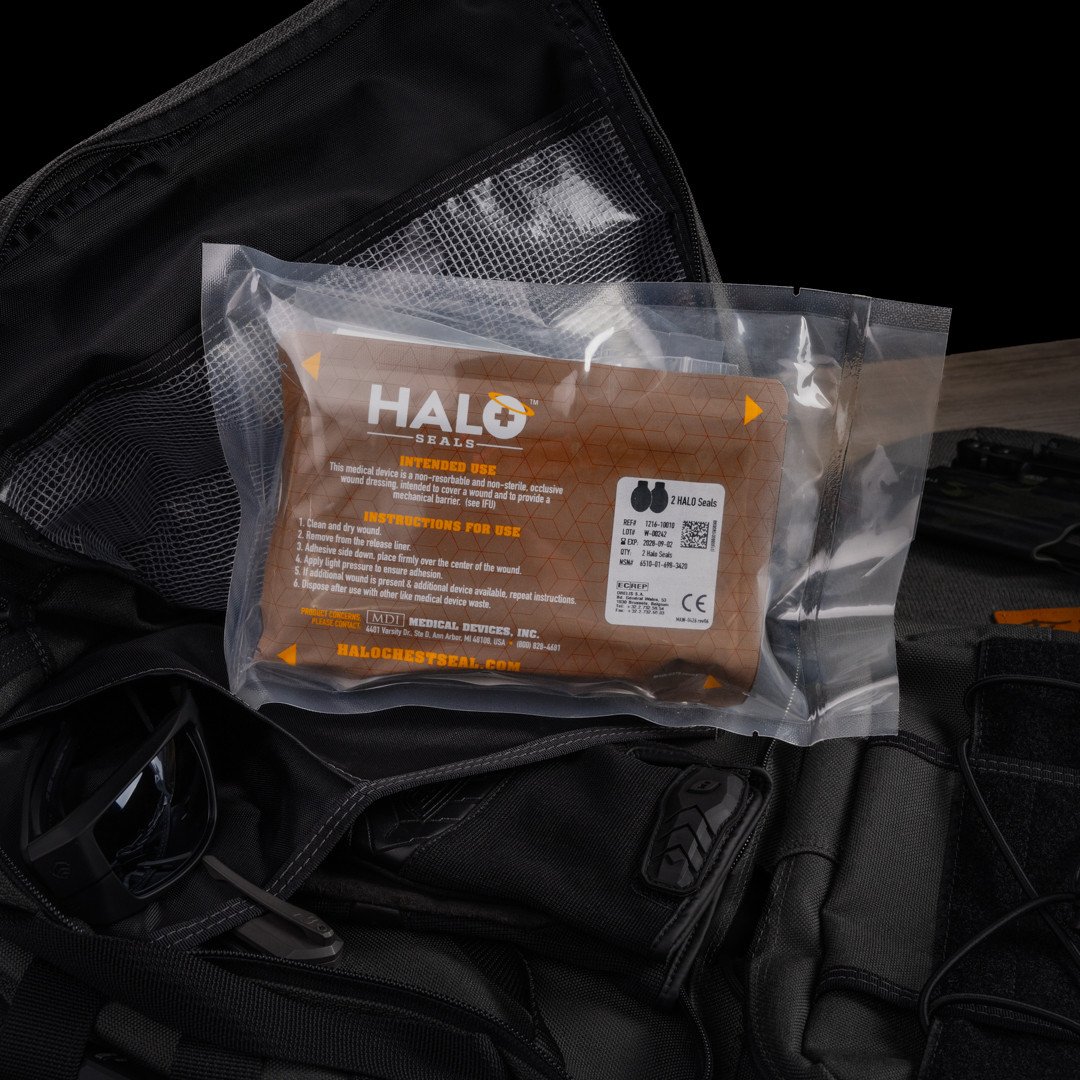
- Chest seals
- Compact trauma kits
- Hemostatic gauze
- Pressure dressings
The reason is straightforward: medical emergencies happen faster than help arrives.
A firearm addresses a threat. Medical gear addresses the aftermath.
Both matter.
Training Is More Important Than Gear
Buying medical equipment without training is the same mistake people make with firearms.
Possessing equipment does not equal capability.
You need repetition, familiarity, and stress-tested understanding.
Medical training builds:
- Confidence under pressure
- Faster response times
- Better decision-making
- Proper equipment use
Without training, even quality medical gear can become useless in a real emergency.
That’s why Stop the Bleed courses are so valuable. They simplify trauma response into practical, actionable skills that ordinary people can learn quickly and retain effectively.
Why Preparedness Is a Mindset
Preparedness isn’t paranoia.
It’s responsibility.
The people who make the biggest difference during emergencies are usually not superheroes or professionals—they’re ordinary individuals who prepared ahead of time.
That preparation may include:
- Carrying a firearm responsibly
- Carrying medical equipment
- Training consistently
- Understanding emergency response fundamentals
The goal is not to live in fear. The goal is to become harder to overwhelm when chaos appears unexpectedly.
That mindset changes how you approach everyday life.
Medical Training and Concealed Carry Go Together
There’s a growing realization within the concealed carry community that defensive capability must include medical readiness.
If you train regularly with your firearm but ignore trauma care entirely, your preparedness is incomplete.
Many responsible carriers now treat medical gear as standard EDC alongside:
- Their handgun
- Spare magazine
- Flashlight
- Knife
Because surviving violence—or any traumatic emergency—isn’t just about stopping danger. It’s about preserving life afterward.
This shift represents maturity within the preparedness community.
Building a Practical Everyday Medical Setup
You do not need a giant medical backpack to be effective.
A practical everyday trauma setup often includes:
- A quality tourniquet
- Compact gauze or wound packing material
- Pressure dressing
- Gloves
The key is consistency.
Medical gear that stays at home cannot help during an emergency. Smaller, practical kits are often more effective because people actually carry them daily.
Just as importantly, you should regularly train with the exact equipment you carry.
The Importance of Community Training
One of the strongest aspects of Stop the Bleed Month is that it encourages communities to train together.
Preparedness spreads through culture.
When families, workplaces, churches, schools, and friend groups prioritize emergency response training, resilience grows exponentially.
Knowledge becomes multiplied instead of isolated.
That matters because emergencies rarely happen on perfect timelines. The more capable people present, the better the outcome tends to be.
Final Thoughts
Stop the Bleed Month is bigger than awareness campaigns or medical terminology.
It’s about accepting responsibility for the moments that matter most.
Preparedness today means more than carrying tools—it means developing the skills to protect and preserve life under pressure.
The modern EDC mindset should include:
- Defensive capability
- Medical readiness
- Consistent training
- Calm decision-making
Because when emergencies happen, equipment alone is never enough.
Training is what turns preparation into capability.